


When it comes to riding a motorcycle, everyone knows that the helmet is mandatory. However, not everyone knows what a helmet is and the parts that make this element essential for safety. When choosing a helmet, it is important to understand the different parts of a motorcycle helmet and how each one affects the protection it provides, so you can make an informed decision when buying.
What are the parts of a motorcycle helmet?
A motorcycle helmet can be divided into several parts, we will first talk about the 5 main ones.
- Outer shell.
- Inner shell
- Internal padding
- Visor
- Closure

The outer shell
The outer shell of a motorcycle helmet is the outermost part, the hardest and most resistant. It is a layer that, while seemingly thin, can be made from thermoplastic plastics, which are cheaper, or from fibers and even carbon fiber. To learn more about the materials used in helmets, you can check out our guide to motorcycle helmet materials.
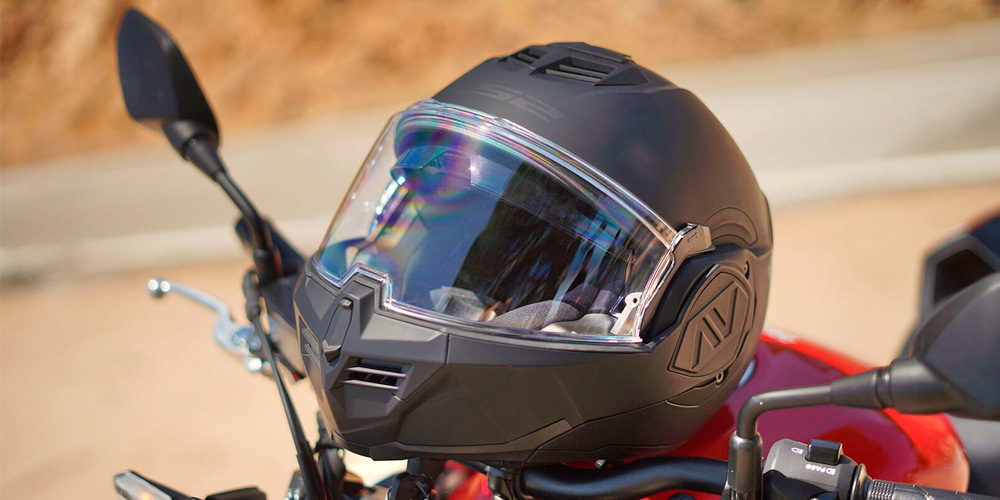 Helmet LS2 Advant Solid
The inner shell
The inner shell or EPS, since it is mainly made of this material (polystyrene), is the layer that sits between the outer shell and the helmet lining. It is foam, made in multiple layers and densities, which, together with the outer shell, provides the necessary resistance in case of impact.
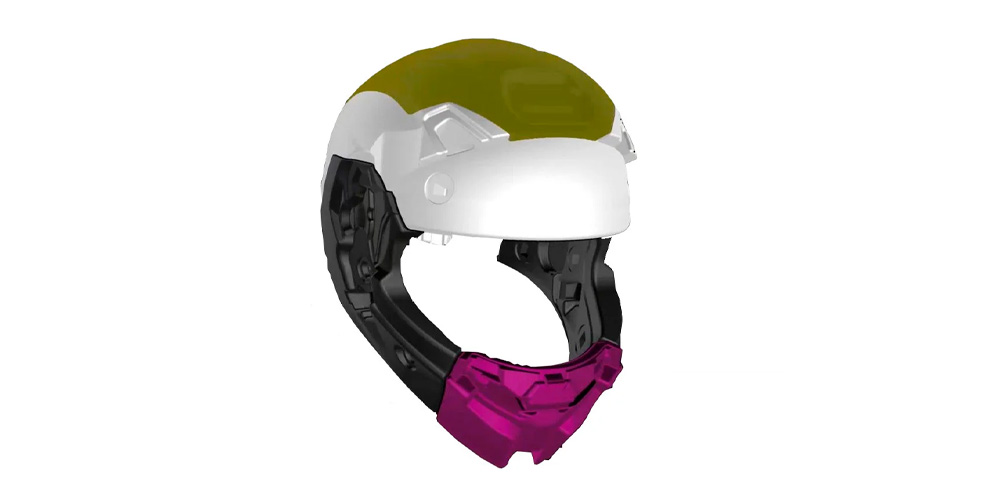
Internal padding
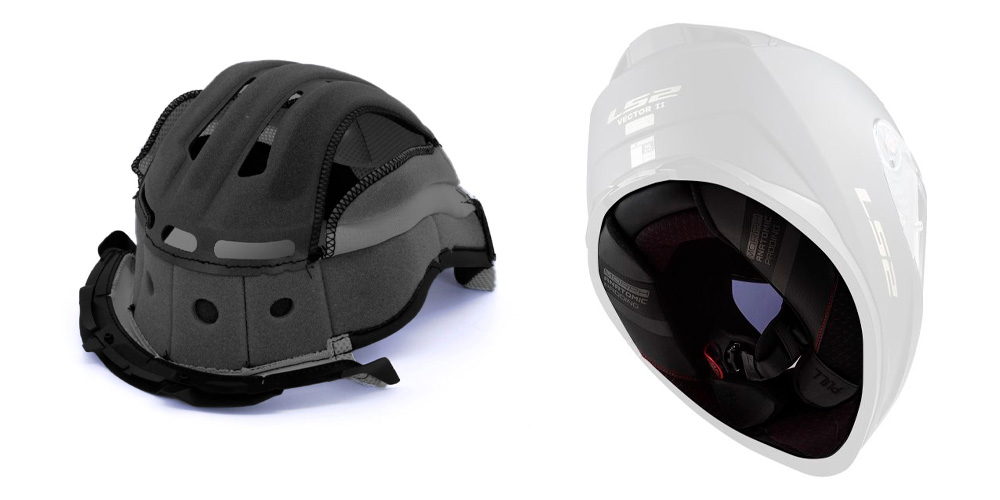
The internal padding, or rather the internal linings, are the parts that are in direct contact with our head. They are designed to fit perfectly, ensuring that they don't move in case of an accident, which is why it is very important to choose the correct size. If you don't know your size, check our motorcycle helmet size guide.
The linings are also made for comfort and to evacuate heat and sweat inside, which is why they are made of breathable materials. One important detail is whether these linings are removable or not, as a removable and washable lining allows you to clean or replace them if necessary. Some also feature an emergency extraction system.
The visor
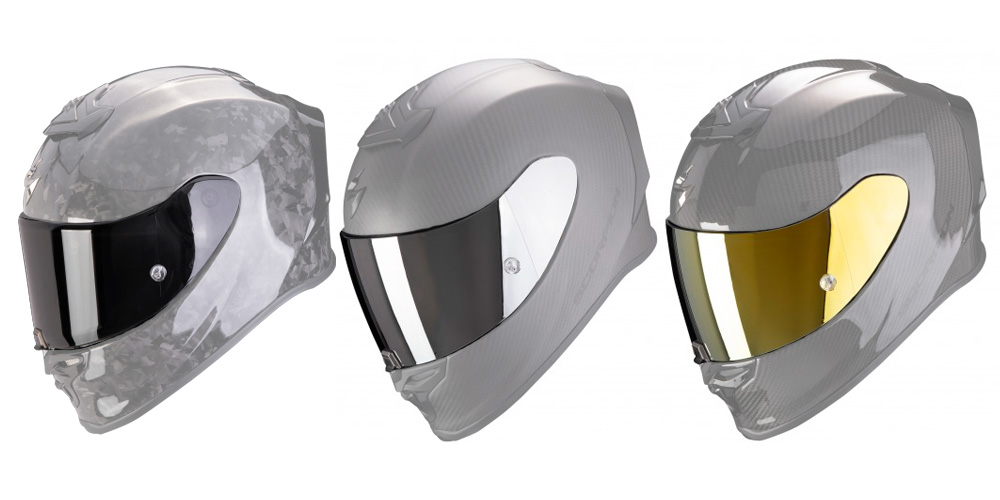
The visor, or the front part of the helmet, is the "glass" that protects us from wind, insects, and also UV rays. It is usually made of polycarbonate, but this can vary depending on the manufacturer. By default, they often come with clear visors, but there are also dark or other color visors (iridium).
The closure
The closure of a motorcycle helmet is crucial for its operation, and there are two main types. The micrometric system, an easy-to-open and close system, and the double D or double D-ring system, named for the shape of the two buckles. The latter is the safest and mandatory for riding on a track. If you want to know what equipment you should use on a track, check out our guide to track equipment.
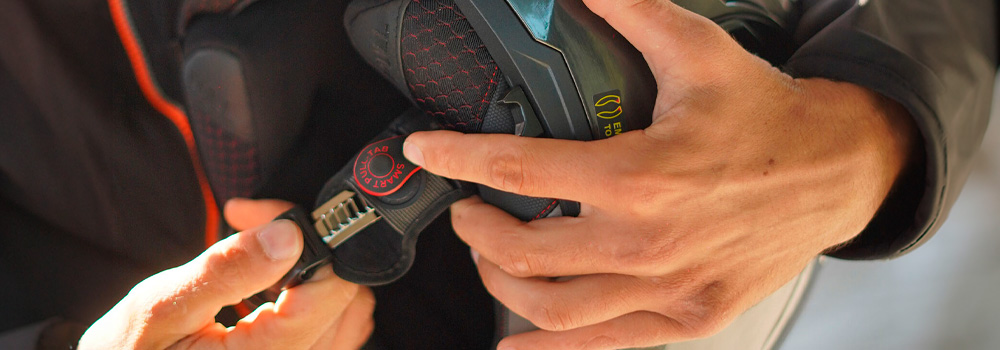 Micrometric closure
These are the 5 main parts of a helmet, but some helmets also include accessories like the following:
- Nose guard: Also called a nose deflector, it is an accessory placed in the front inside of the helmet, just above the rider's nose. Its main function is to divert the exhaled air to the sides, preventing condensation on the visor and improving visibility while riding. Not all helmets come with this feature.
- Chin guard: It is a part found on some helmets, located at the lower front of the helmet, under the chin. Its purpose is to reduce airflow in the jaw area, minimizing wind noise and internal air currents, thus increasing comfort for the rider.
- Pinlock: It is a film that attaches to the inner side of the helmet visor. It creates a sealed air layer, preventing fogging and condensation on the visor.
- Spoiler: It is an aerodynamic appendage usually placed on the upper rear part of the helmet. Its role is to improve stability of the helmet at high speeds, reducing air resistance and turbulence. It also helps with better internal ventilation by facilitating the extraction of hot air from inside the helmet.
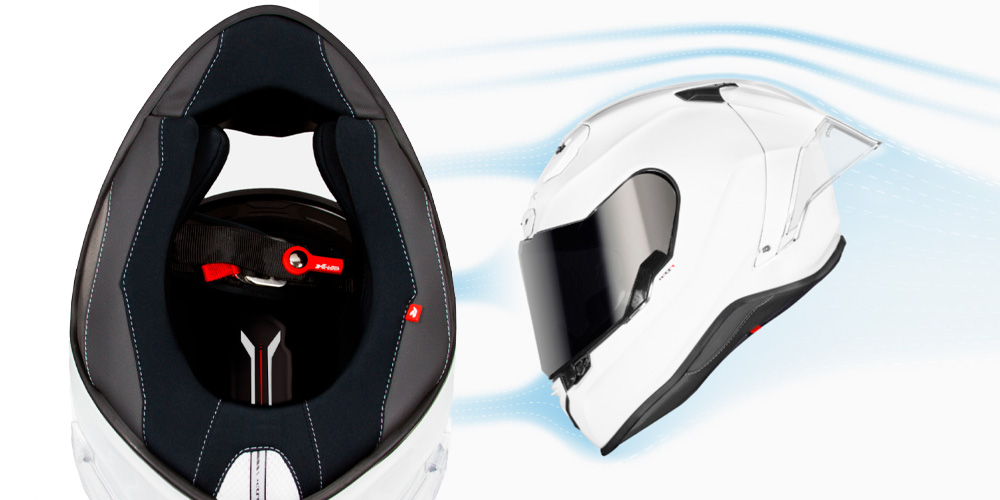 Helmet Nexx X.R3R
Finally, it's worth mentioning intercoms. Motorcycle helmet intercoms are electronic devices that allow riders to communicate effectively and safely while on the move. These systems make communication between the rider and the passenger, as well as between different riders on the road, possible without the need for hand gestures or signals, and also allow the rider to listen to the radio or music thanks to their Bluetooth technology. There are various types and ranges, you can check our intercom guide to learn more.


