


The types of motorcycle helmets differ above all in how much of the head and face they cover and in the use they are designed for. In this guide we go through the full-face, modular, jet, trail, motocross, trial and kids’ helmets, with their advantages, their limits and who each one is for.
Full-face helmet
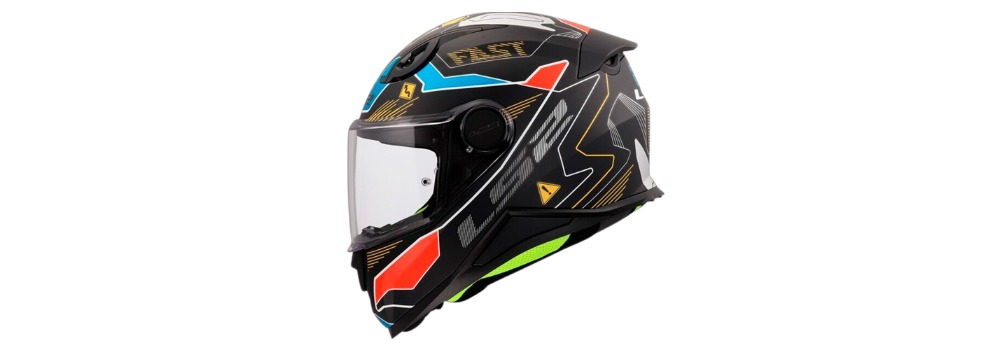
The full-face helmet is the most complete: its shell covers the whole head and the chin bar is part of the same structure, with no break apart from the opening of the visor. It is the one you see on MotoGP riders and the favourite of anyone who wants the highest level of protection.
Shells are studied in wind tunnels to make them ever more compact and aerodynamic. That means less air resistance, less noise and less vibration, which helps not only on the track but on any long ride.
It is the logical choice if you want maximum performance on the road or on a circuit. Its low weight is also easier on your neck muscles when you spend many hours in a row on the bike. You can browse our full-face helmets and review their parts to understand what they are made of.

Modular helmet
The modular helmet is a hybrid between the full-face and the jet: with the chin bar down it looks like a full-face, but the chin bar can be flipped up with a lever. Its big advantage is versatility.
You can open the chin bar at stops, on hot days or simply to talk to your passenger. Many include a drop-down sun visor, which saves you stopping to swap sunglasses when the light changes.
They are designed for travel, so they focus on comfort and are well soundproofed to cut turbulence noise at motorway speeds. Having an opening mechanism doesn’t mean they weigh much more: some models with a carbon shell are lighter than many full-face helmets, as you will see in our article on helmet materials.
If you’re interested, take a look at our modular helmets and check that they carry the P/J certification, which guarantees their safety both open and closed.
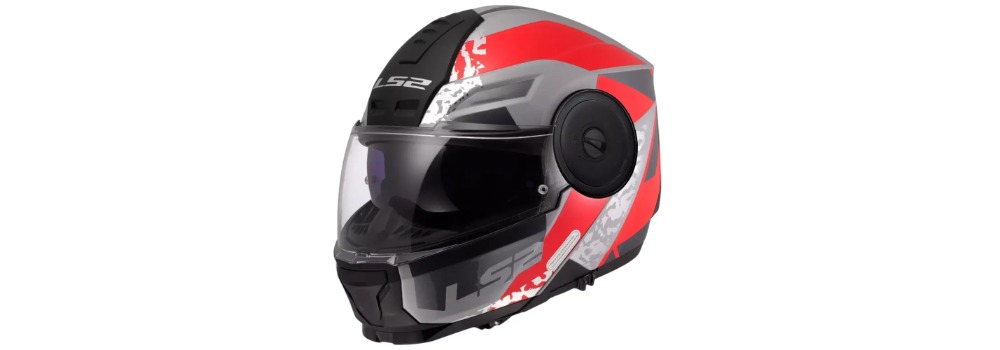
Jet helmet
The jet helmet, also called open-face or three-quarter, covers the ears, cheeks and back of the head but has no chin bar. It offers the same protection at the back of the head as a full-face, but very little for the face.
With the face left uncovered, wind, dust and insects can be annoying or even dangerous. That is why many jet helmets include a visor or peak, and others are completed with goggles.
It is an option for riders who prefer a feeling of openness and accept minimal facial protection. Take a look at our jet helmets and think carefully about whether that trade-off suits the way you ride.
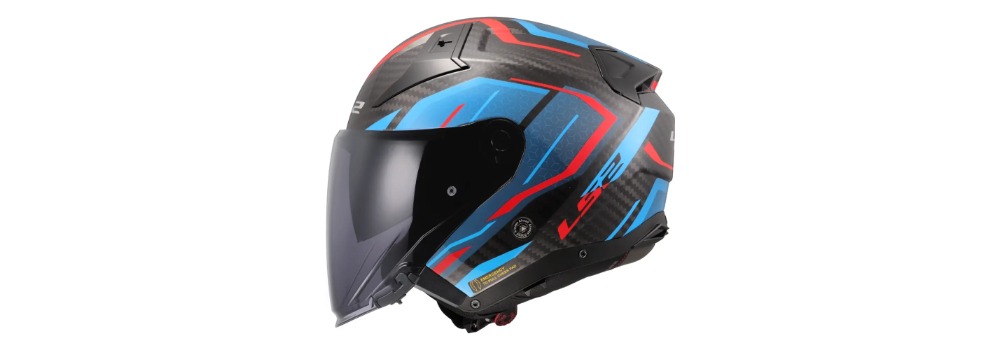
Trail helmets
The trail helmet, also called adventure or dual-sport, has grown in popularity with maxi-enduro bikes. It has a one-piece shell, like a full-face, but adds features from the off-road world, such as the removable peak, which protects against sun, mud and branches on off-road terrain.
Its big strength is versatility: you can use it with or without the peak and remove the visor to swap it for motocross goggles. That gives you up to four configurations with a single helmet, depending on how you use it.
There are also trail models with a modular chin bar. If you ride on both road and track, take a look at our trail helmets.
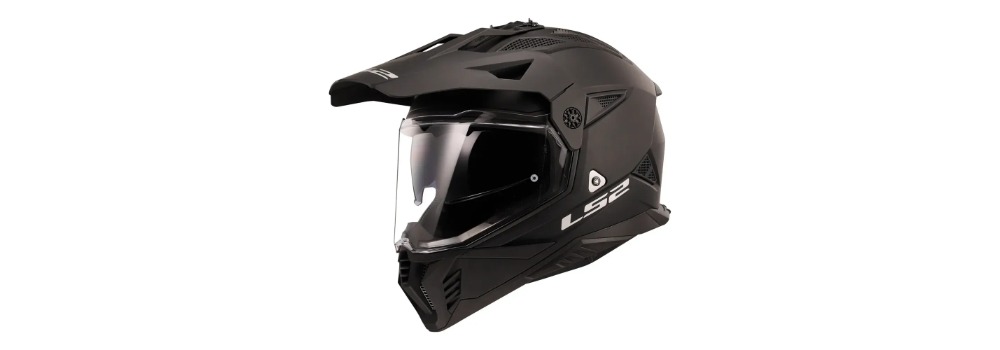
Motocross helmets
The motocross helmet is a type of full-face helmet designed for off-road riding. It is recognised by its elongated chin bar and peak, and by a partly open front for wearing protective goggles.
This design allows unrestricted airflow during the physical effort of the sport. The peak protects against debris and sun when you lower your head, and the chin bar protects the face in an impact.
They are used in motocross and enduro, and usually have multiple vents. If you ride off-road, check out our motocross helmets.
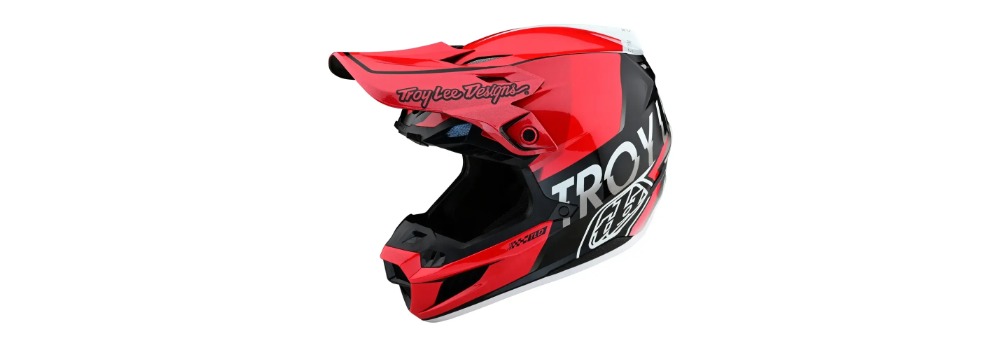
Trial helmets
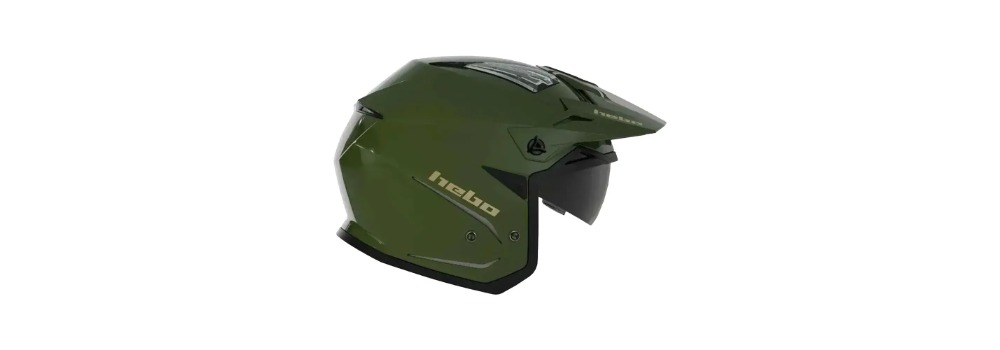
The trial helmet is designed for a sport that involves getting over obstacles on the bike. It covers the whole head effectively to protect in falls and knocks, but leaves the face exposed.
This gives the rider a wide field of view and lets them read the terrain quickly before crossing it. They usually have air vents and a peak, and the lining is often removable.
It is a very specific helmet: it is made for trial riding, not for riding on the road. If trial is your sport, take a look at our trial helmets.
Kids’ helmets
Kids’ helmets are made for smaller heads and come in several types: full-face, jet and motocross. Choose the type according to use, just as you would with an adult helmet.
The most important thing in a child’s helmet is the size. Kids’ sizing is given in centimetres of head circumference and varies by model. For example, in the LS2 FF812 Zero Kid, size S corresponds to 48-49 cm, M to 50-51 cm and L to 52-53 cm.
So always check the size guide on each helmet’s product page. To measure, place a tape measure horizontally just above the eyebrows and compare the result with that table. If you want to do it step by step, read our guide on how to choose your helmet size.
Take a look at our kids’ helmets to see the options available.
How to choose between the types of motorcycle helmets
The key is use. Think about how much you will ride, where, and what level of protection you want, and choose from there:
- Full-face: for sporty riding, track days or many hours in a row.
- Modular: for comfortable travel and being able to open the chin bar at stops.
- Jet: if you accept minimal facial protection and will wear a visor or goggles.
- Trail: to combine road and off-road with a single versatile helmet.
- Motocross: for off-road, enduro and motocross.
- Trial: for trial riding.
- Kids’: for the little ones, in the size given on the product page.
Whatever the type, check the certification and that the size fits your head. A certified helmet only protects properly if it fits you properly.
Frequently asked questions about the types of motorcycle helmets
Which type of helmet is safest?
The full-face offers the most complete coverage, because its shell is continuous and protects the chin.
Even so, no type is safe on its own. Before buying, check:
- That it is certified: ECE 22.06 or 22.05.
- That the size fits your head properly.
What is the difference between a jet helmet and a full-face helmet?
The difference is the chin bar: a jet doesn’t have one and leaves the face uncovered.
- Back of the head: gives the same rear protection as a full-face.
- Face: protects very little.
- Add-ons: usually completed with a visor or goggles.
Can a modular helmet be used open?
Yes, the chin bar opens at stops or to talk to your passenger.
In addition, modular helmets with P/J certification have passed tests in jet configuration too. Check that certification on the helmet’s label.
Can I use a motocross or trial helmet on the road?
It isn’t recommended. Motocross and trial helmets are designed for specific use and should only be used in those sports.
For riding on the road, choose a helmet designed for it and with valid certification.
How do I choose the size of a kids’ helmet?
Measure the head circumference with a tape measure, just above the eyebrows.
- Compare the measurement with the size guide on each helmet’s page.
- Always try it on when you can, because heads with the same circumference can have different shapes.
Conclusion
The types of motorcycle helmets meet different needs: the full-face for maximum protection, the modular for travel, the jet for riders who accept less coverage, the trail for combining road and off-road, the motocross and trial for sport, and the kids’ helmet for the little ones. Choose according to how you ride and always check certification and size. At Outlet Moto you will find motorcycle helmets of every type.


