


Knowing how to choose a motorcycle helmet size is key to getting real protection. In this guide we explain how to measure your head, how to use the size chart, how a helmet should fit and what to do if you are between two sizes, including for kids’ helmets.
Why choosing the right helmet size matters so much
A helmet only protects as it should if it is your size. If it is loose, it doesn’t protect the skull properly and can even come off in an accident.
If it is too small, it may not even go on. And if it goes on but is tight, it harms your peripheral vision, is uncomfortable the whole ride and can cause headaches.
How to measure your head to choose a size
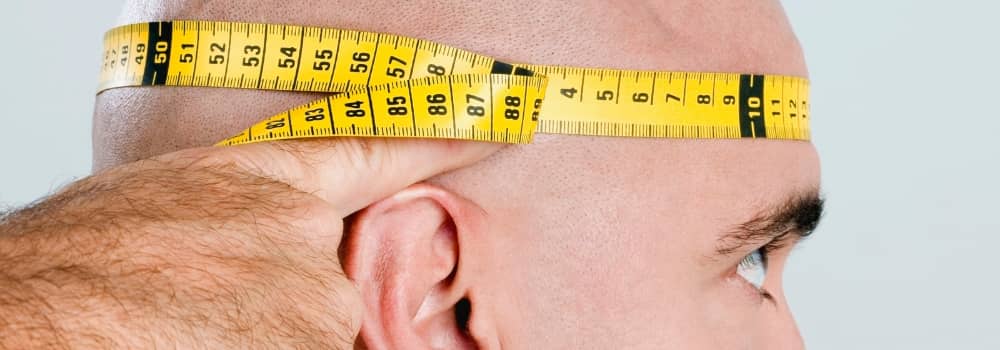
It all starts with measuring your head circumference. It is very important to be clear that what determines helmet size is the width of the forehead, above the eyebrows. To measure your head correctly and find your size, all you need is a flexible tape measure, like a sewing one. Follow these steps:
- Place the tape horizontally around your head, at forehead level and just above the eyebrows.
- Pull it snug but without pressure.
- Note the measurement in centimetres.
Helmet size chart
With your measurement, check a size chart. On average, helmets run from XS to XXL, although some models also come in XXS and XXXL. This is our guide chart, with head circumference in centimetres:
- XXS: 52-53 cm
- XS: 53-54 cm
- S: 55-56 cm
- M: 57-58 cm
- L: 59-60 cm
- XL: 61-62 cm
- XXL: 63-64 cm
- XXXL: 65-66 cm
Remember that sizes are not standardised and can vary by manufacturer. So always check the size guide on each helmet’s product page, and you can also look at our help finding your size page.
How a well-fitted helmet should feel
The right size doesn’t depend on the number alone. Heads with the same circumference can have different shapes, so the ideal is to try the helmet on before buying it. Check that:
- It is snug but never tight.
- The pressure is even, with no spots that press harder than others and no discomfort.
- It sits at eyebrow level.
- It doesn’t move in any direction when you turn your head.
Once you have your size, also check the certification. A certified helmet only protects properly if it also fits you properly.

What if you’re between two sizes?
If your measurement falls between two sizes, there is no single rule, but we usually recommend the larger size. The most reliable approach is to try both and keep the one that meets the points above. Emphasising that it must not squeeze your forehead too much and that you shouldn’t worry if it squeezes your cheeks.
How to choose the size of a kids’ helmet
For kids’ helmets the same method applies: measure your child’s head circumference with the tape, just above the eyebrows. Kids’ sizing is also given in centimetres and varies by model.
So always look at the size guide on each helmet’s product page before deciding. You can see all the models in our kids’ helmets, and review the available types in our article on types of motorcycle helmets.
Common mistakes when choosing a helmet size
- Going by another brand’s size: sizes are not standardised and change by manufacturer.
- Buying a bigger one “just in case”: a loose helmet doesn’t protect properly and can come off.
- Accepting a helmet that is tight: it harms peripheral vision and causes discomfort.
- Measuring your head wrongly: use a flexible tape, horizontally and without pulling tight.
Frequently asked questions about helmet size
What helmet size do I need for my measurement?
There is no universal equivalence. Measure your head circumference and compare it with the guide size chart and with the size guide on each helmet’s page, because it varies by manufacturer.
How tight should a new helmet be?
It should be snug but not tight.
- The pressure must be even, with no discomfort.
- It shouldn’t move when you turn your head.
Do all manufacturers use the same sizes?
No. Sizes are not standardised and change from one brand to another, and even between models. So always check the size guide for the specific helmet you are about to buy.
What do I do if I’m between two sizes?
Try both. Keep the one that is snug without being tight and doesn’t move when you turn your head. On some models you can also adjust the fit by swapping the inner padding for one of a different thickness.
How do I measure a child’s head?
The same way as an adult’s: tape measure horizontal, just above the eyebrows. Then compare the measurement in centimetres with the size guide on the kids’ helmet’s page.
Conclusion
To choose the right helmet size, measure your head, compare the measurement with the manufacturer’s guide and check that the helmet fits snugly without being tight. Don’t go by another brand’s size and, if in doubt, try on two. At Outlet Moto you will find motorcycle helmets of every type and size.


